It is official: we won’t be camping at WalMart anymore on this trip. It is just way too hot to camp without the electricity required to run the A/C. Yes, I am spoiled. I guess air conditioners are why God put me living in the 20th and 21st centuries. And if I ever did live off-grid, it would be in a cooler and less humid region of the country than where I live now. The humidity of the South is just horrible combined with the summer heat.
We finally pulled into a Sam’s Club in Bowling Green, Kentucky last night. We quickly put everyone to bed – AnaClaire in just a diaper because it was stifling outside and inside the camper. We opened all windows as well as the roof vents, but I had a hard time sleeping because it was so hot.
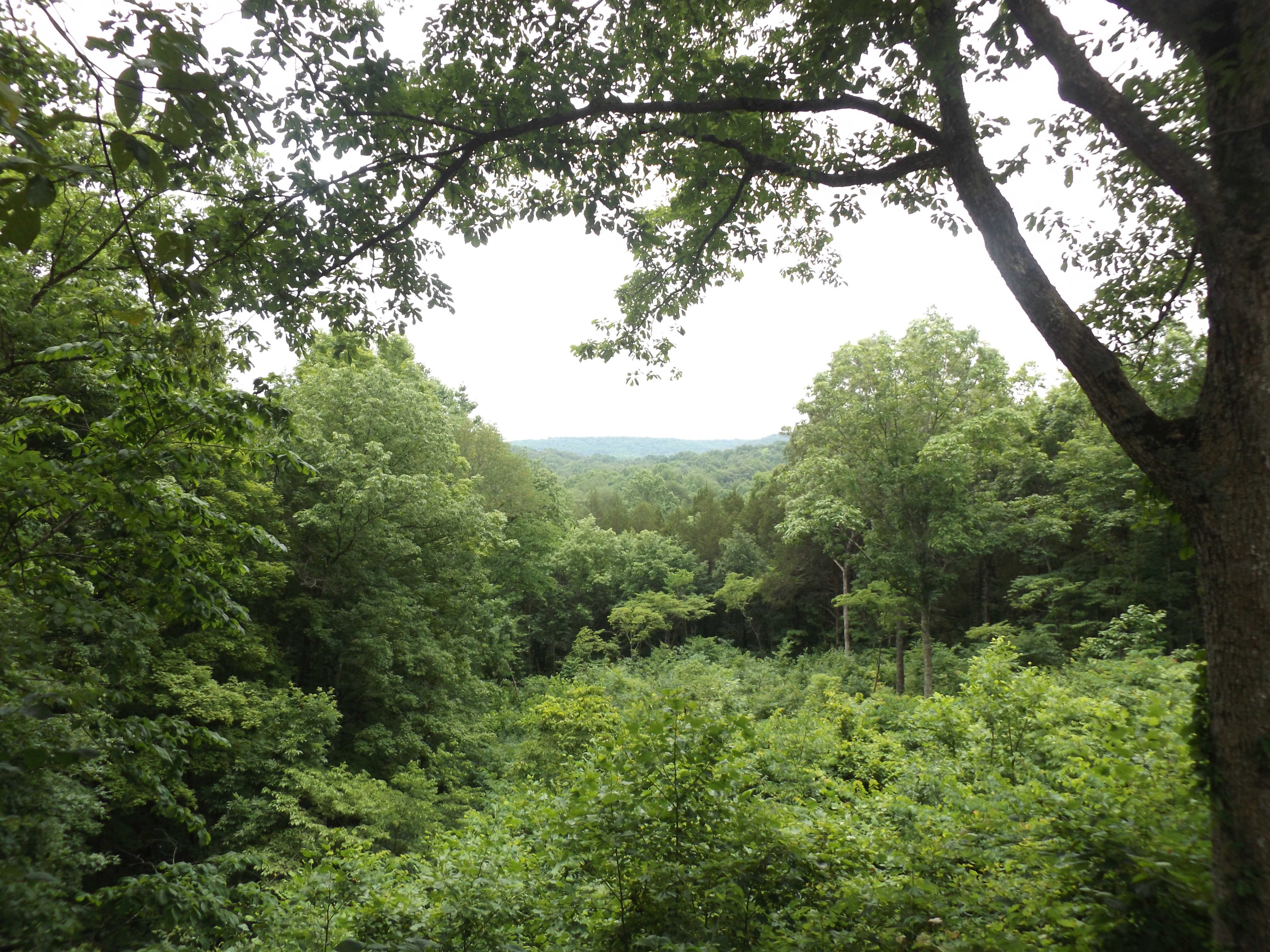
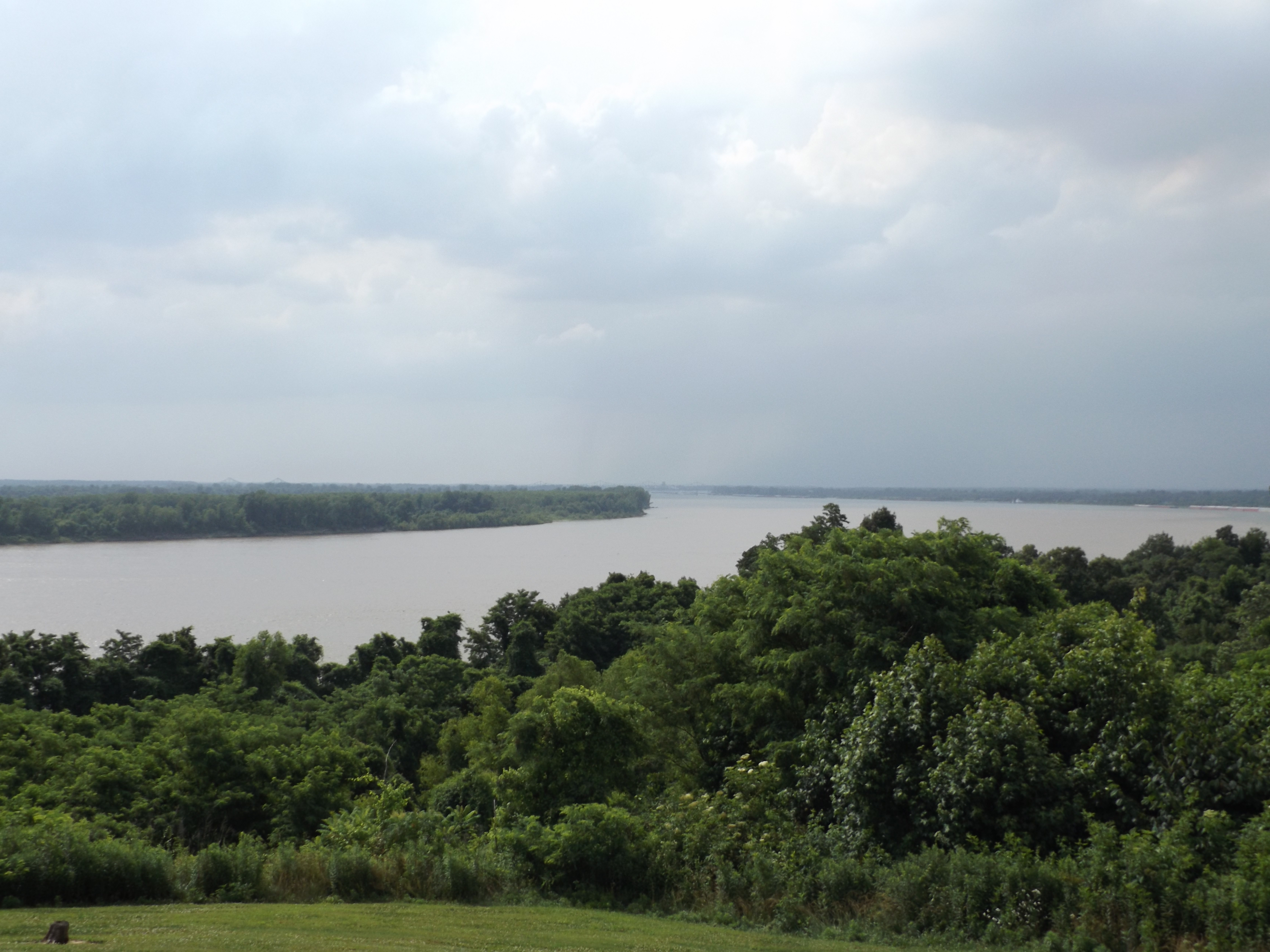
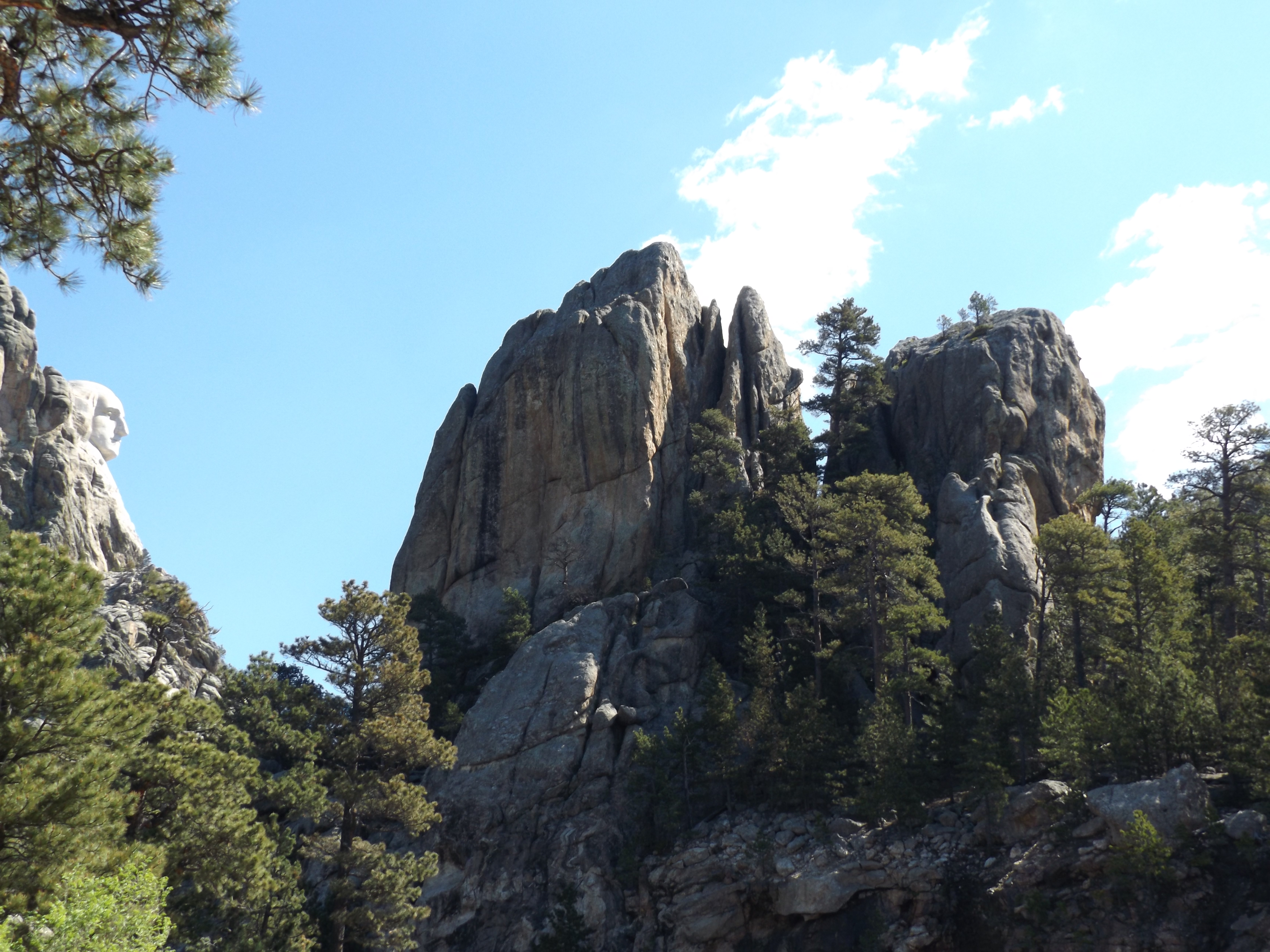
View of Kentucky in Mammoth Cave National Park. I’m so glad to see hardwood forests again!
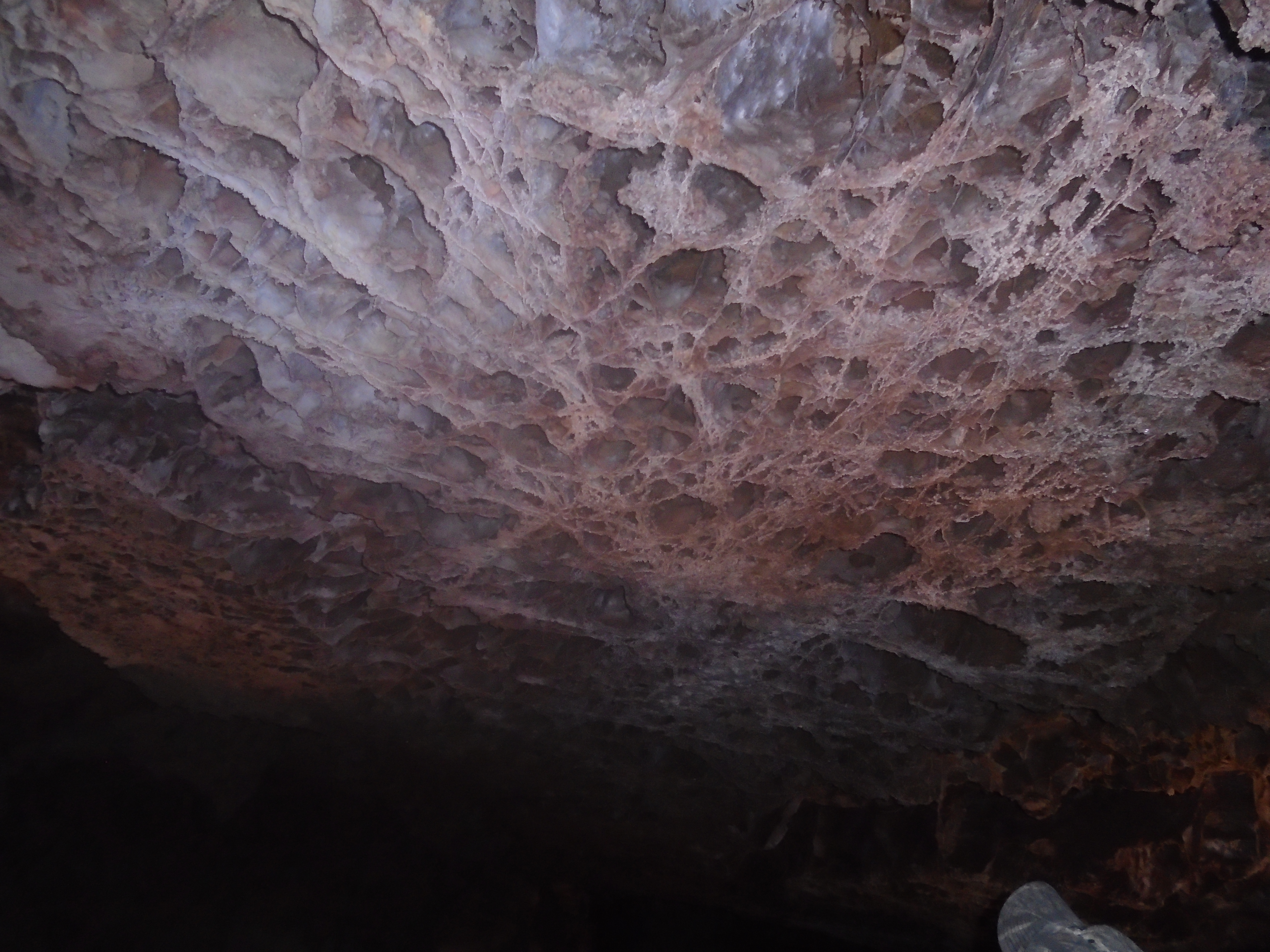
The night eventually ended, and we quickly got up and into the van to get cool and leave. We drove the 45 minutes or so to Mammoth Cave. We had talked of taking turns doing a tour of Mammoth Cave because that would allow us to not take little ones into the cave, but we nixed that idea so that we could get on the road a little quicker. We took the 2 hour Domes and Dripstones tour which took us to the “new” entrance of the cave (built in the 1920s). This required descending about 280 steps into the cave. These passages were fairly narrow, but our guide explained that most of them were natural passages that we were descending through. Only a little blasting had to be done to put that entrance into the cave. The tour opened up into some great big rooms, and we did eventually get to see some beautiful flowstone, stalactites, stalagmites, and other formations. AnaClaire did better on this tour, mainly because I let her get down and walk around some. We all thoroughly enjoyed the tour. Our tour guide even surprised us all by telling us the zip code of our town when we told him where we were from.
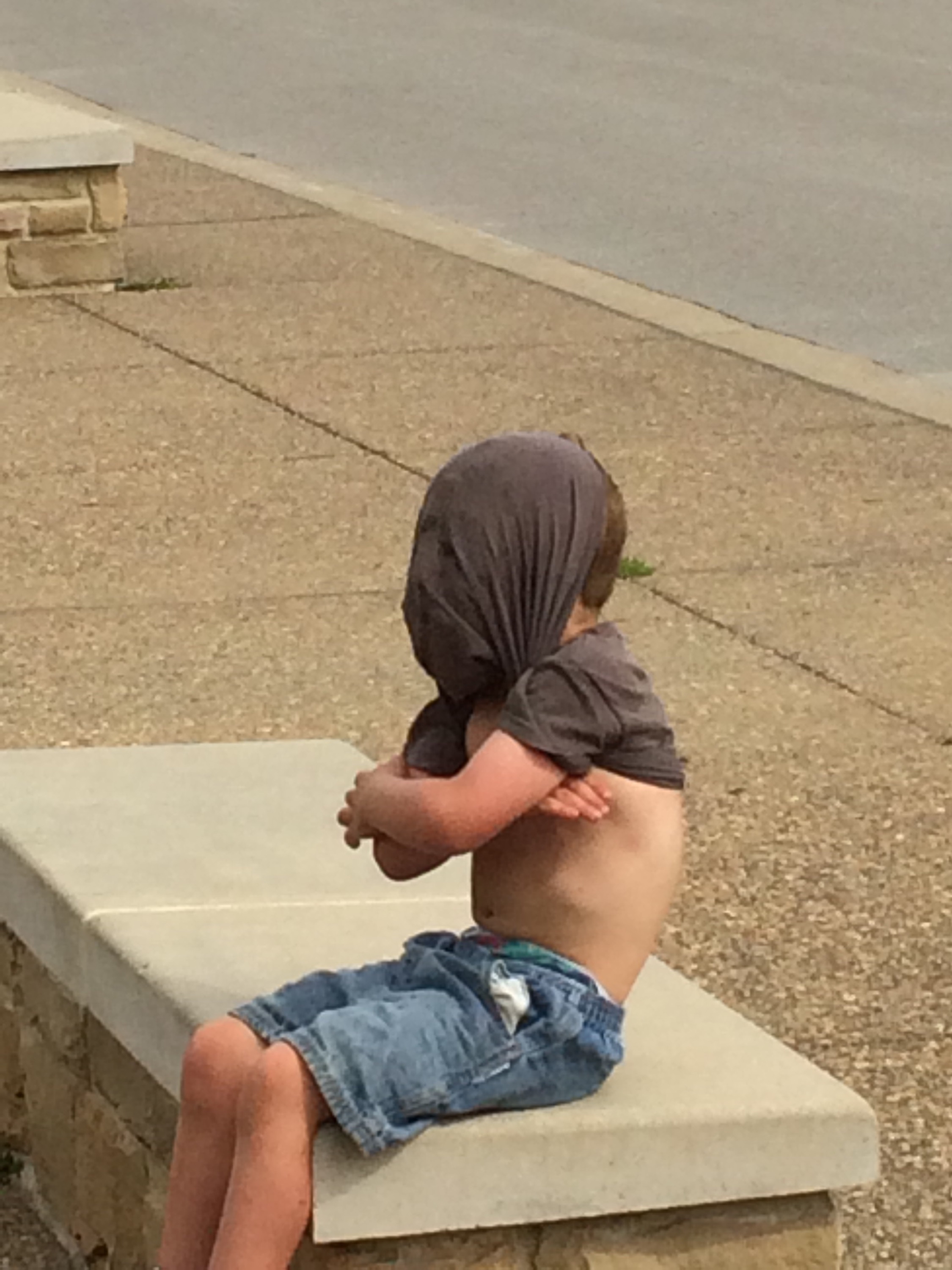
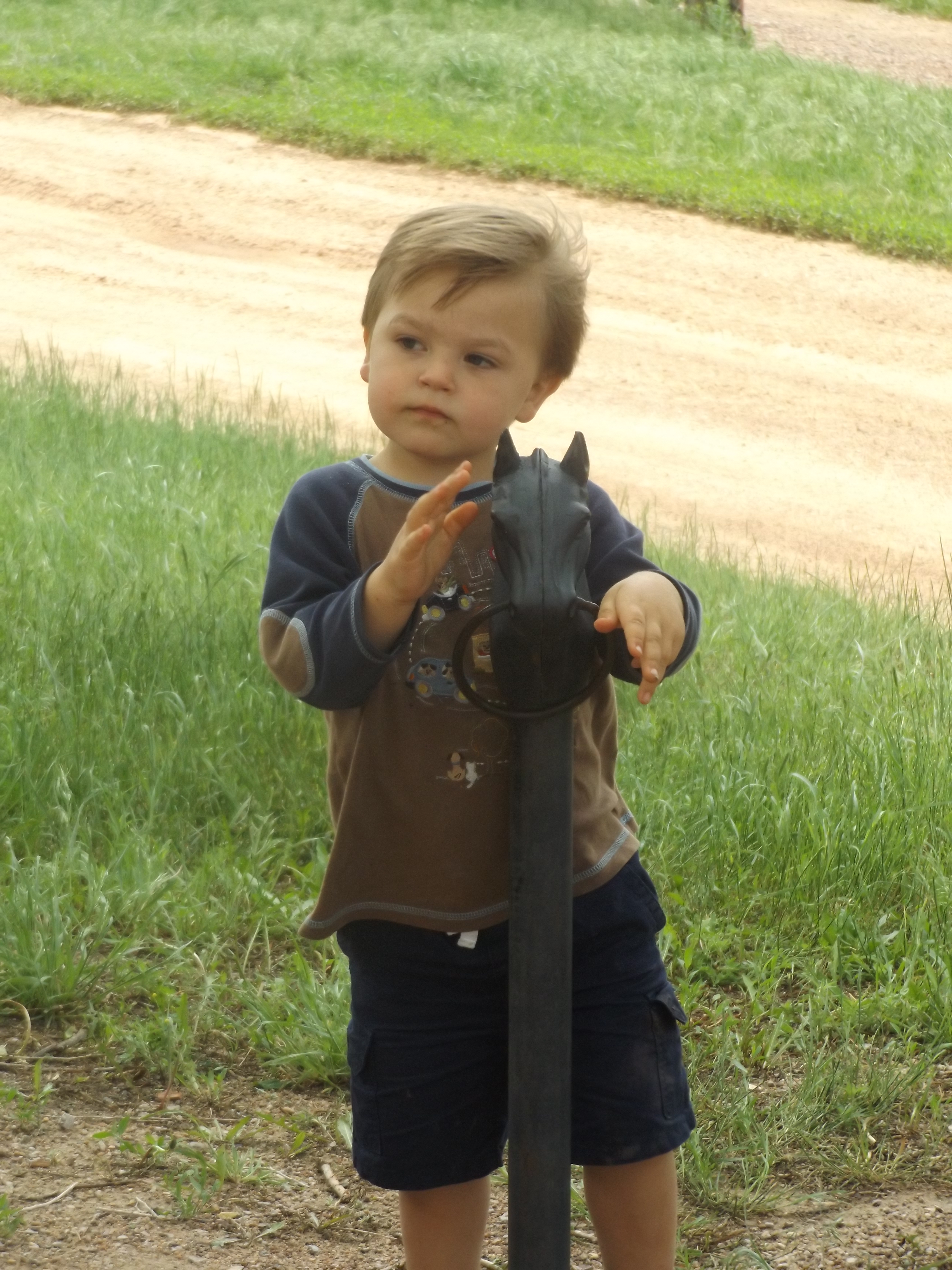
Dominic pouting after not getting a ticket to take the Mammoth Cave tour (he was free)
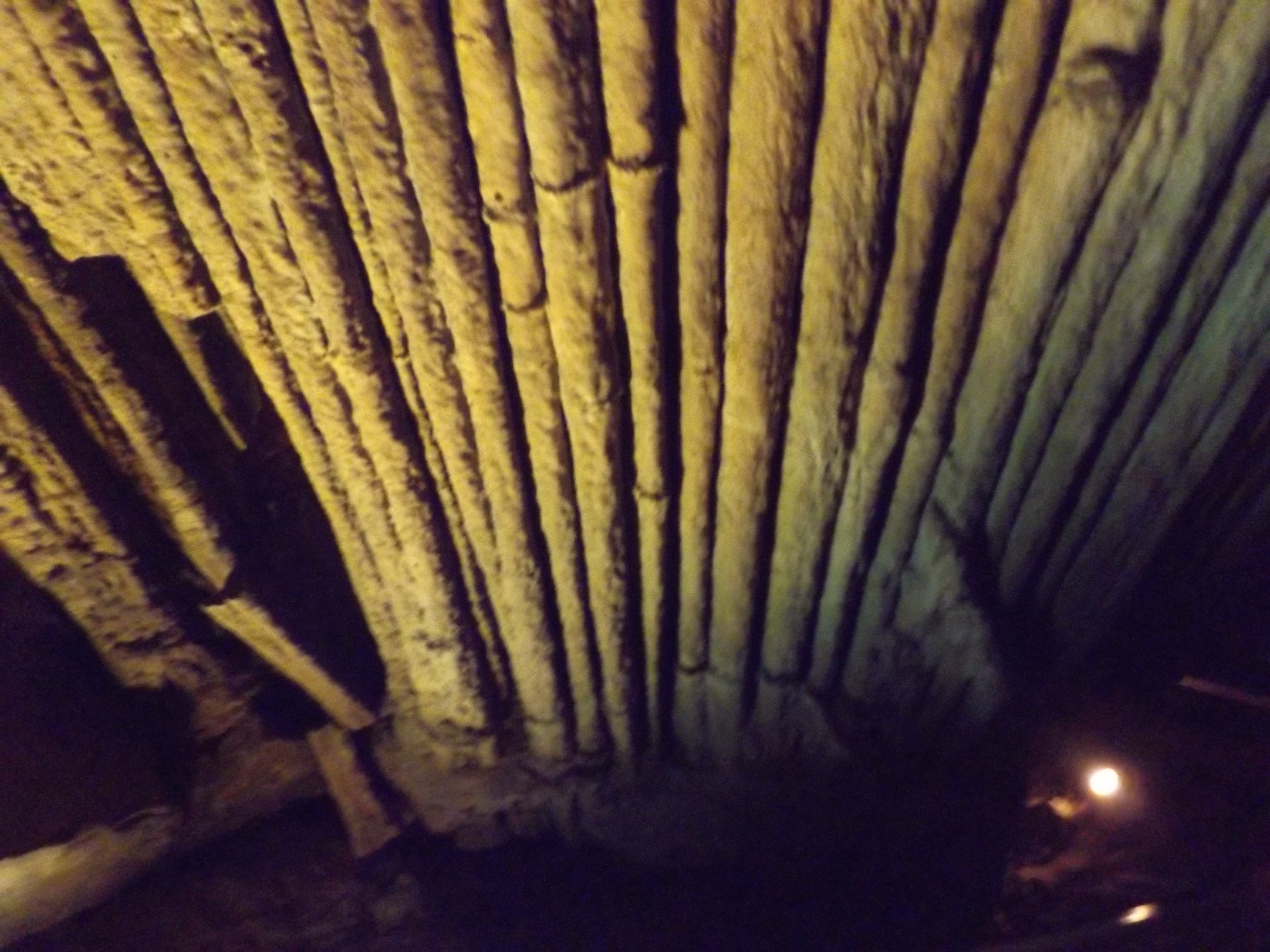
Mammoth Cave

Mammoth Cave
Due to the horrible humidity, we even opted to not have a picnic. Instead we started driving east again deciding that we would stop for lunch later. However, a later lunch never came. We had granola bars and apples and such in the van. We just kept driving until we finally made it to Cumberland Gap. At Cumberland Gap, we quickly chose a campsite, turned the A/C on and went out to dinner. Afterwards, we came back and relaxed at the campsite for a while. I was trying to get some knitting in so that I could finish up my project sometime in the not-to-distant future. The littles were all filthy after playing for a while, so we took them for some showers. Before we knew it, it was bedtime on the last leg of our trip of blessings.

Games at the campground
Blessings,
Rebecca
Kids’ Corner:
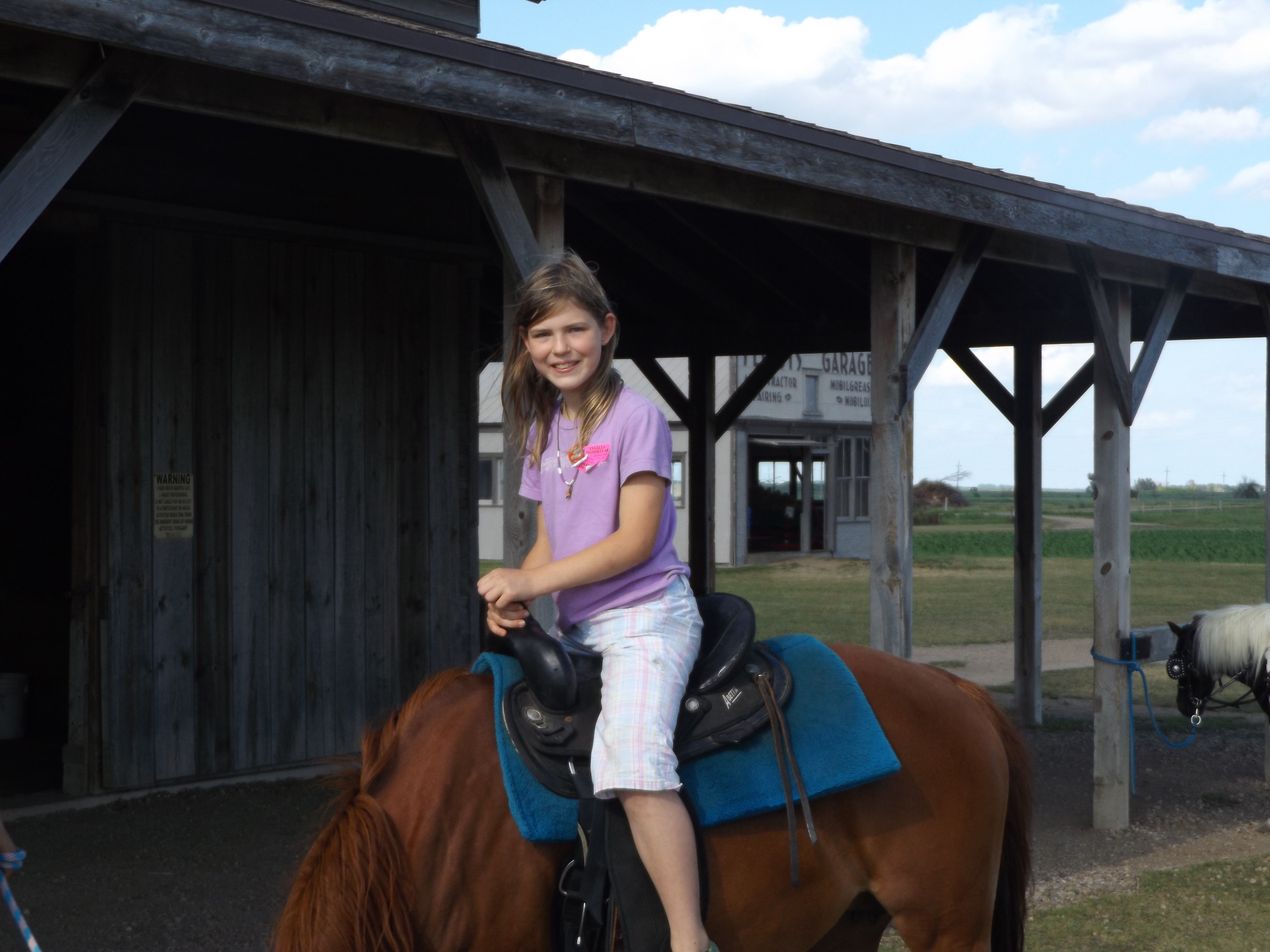
Alex: I want to go back to the Wild Mustang Preserve or to Yosemite. I love waterfalls so that is one of the reasons I want to go back to Yosemite. That one time when they locked the road we had like an 8 hour drive to get back to the campground. Yosemite was my favorite. The Ingalls’ homestead was also neat. Before we went there, I always thought that Silver Lake was a lake, but it is really more like a bog. Making the jump rope was my favorite thing we did at the homestead. One person holds one end of the baling twine and another person spins the little machine that the twine is attached to at hooks. When each piece of twine gets very twisted, then they start braiding together.
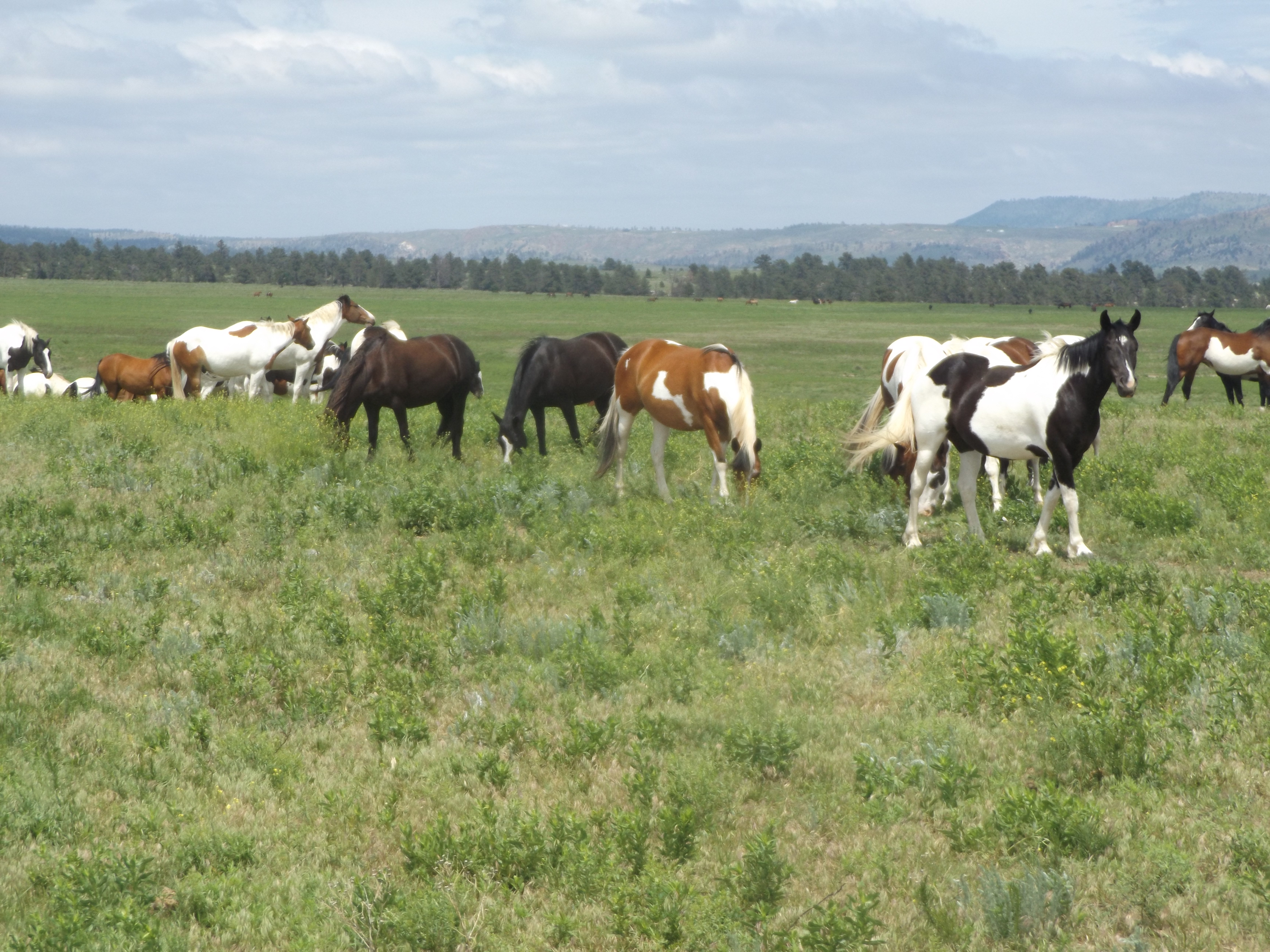
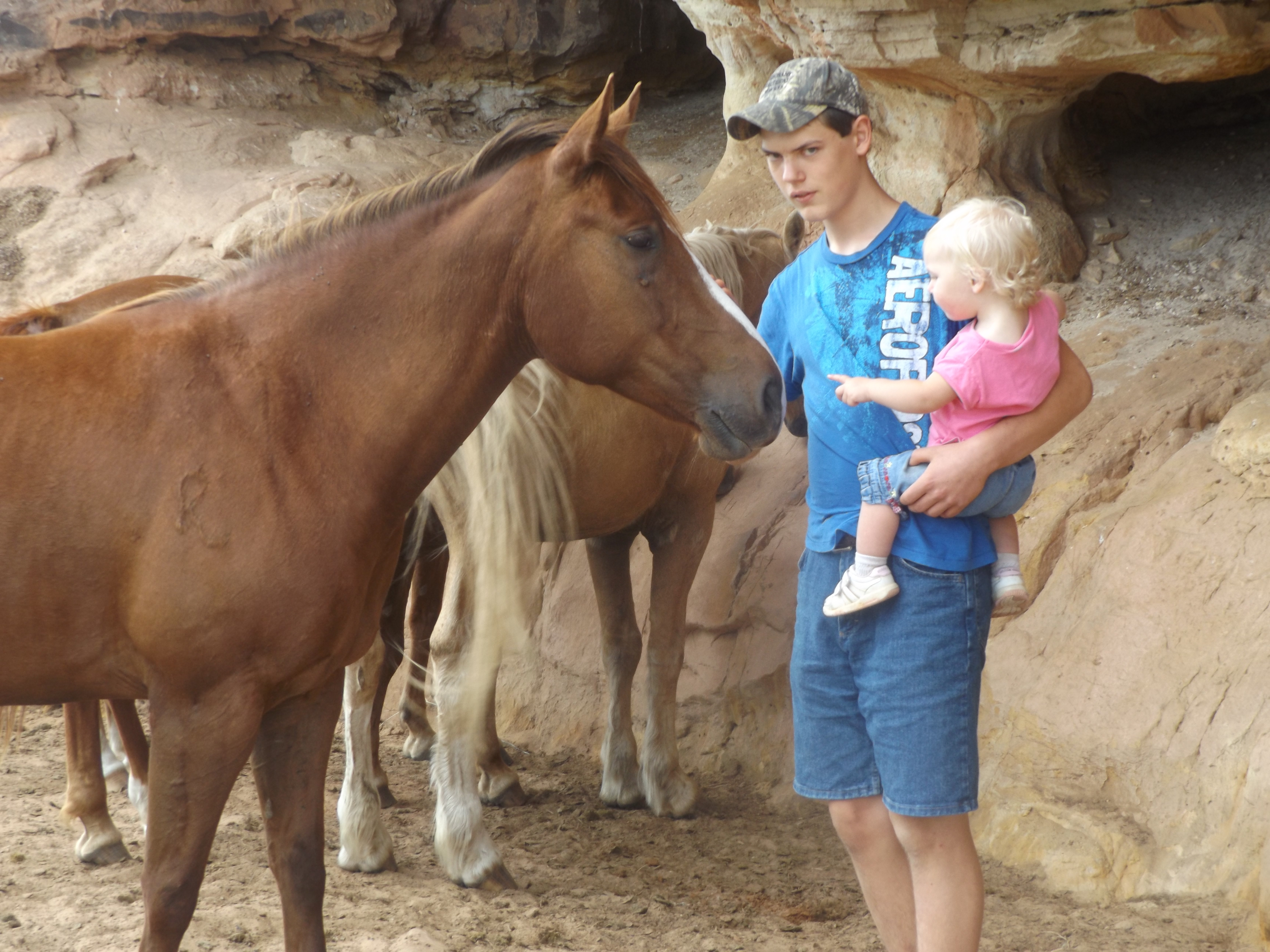
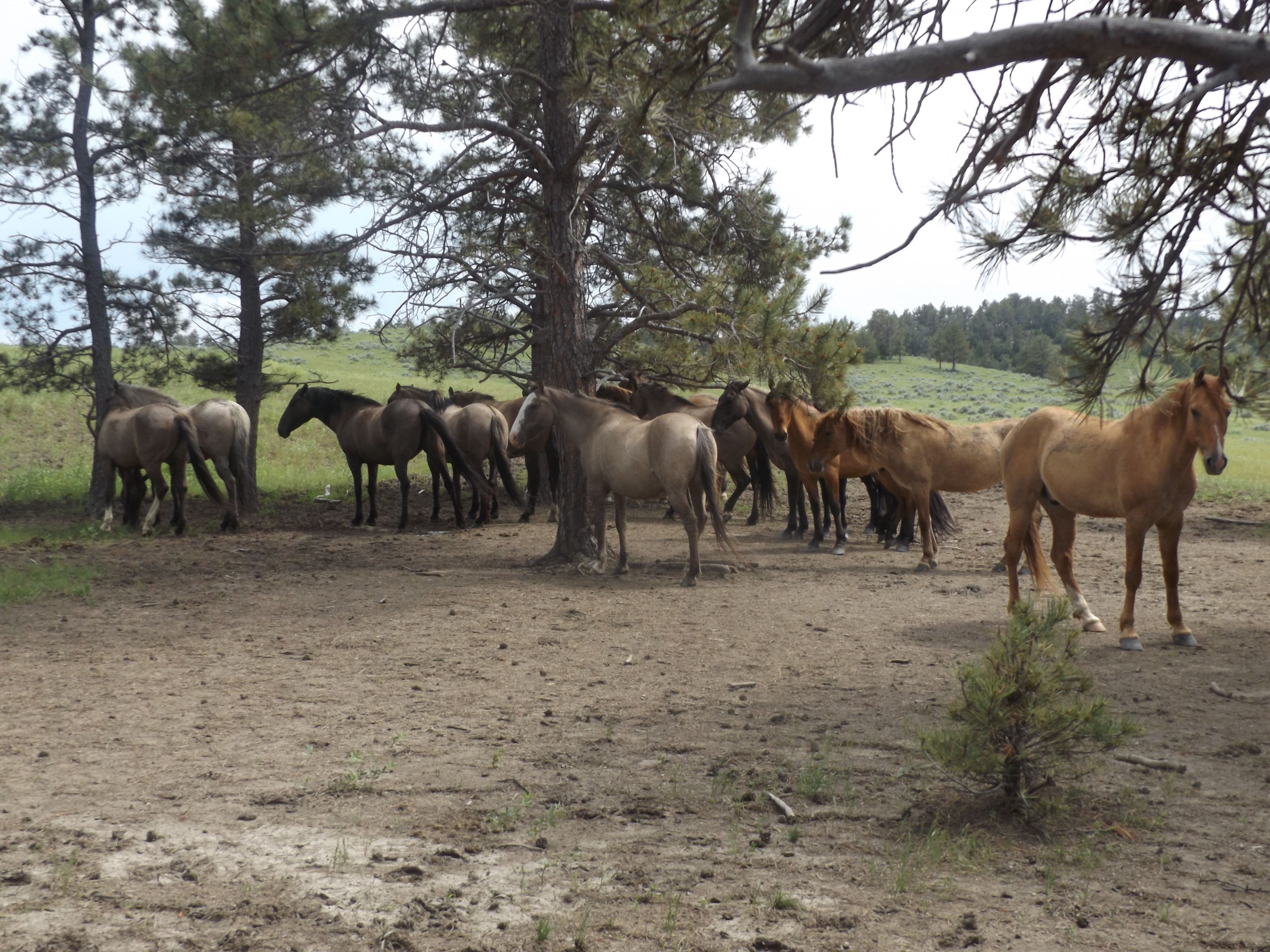
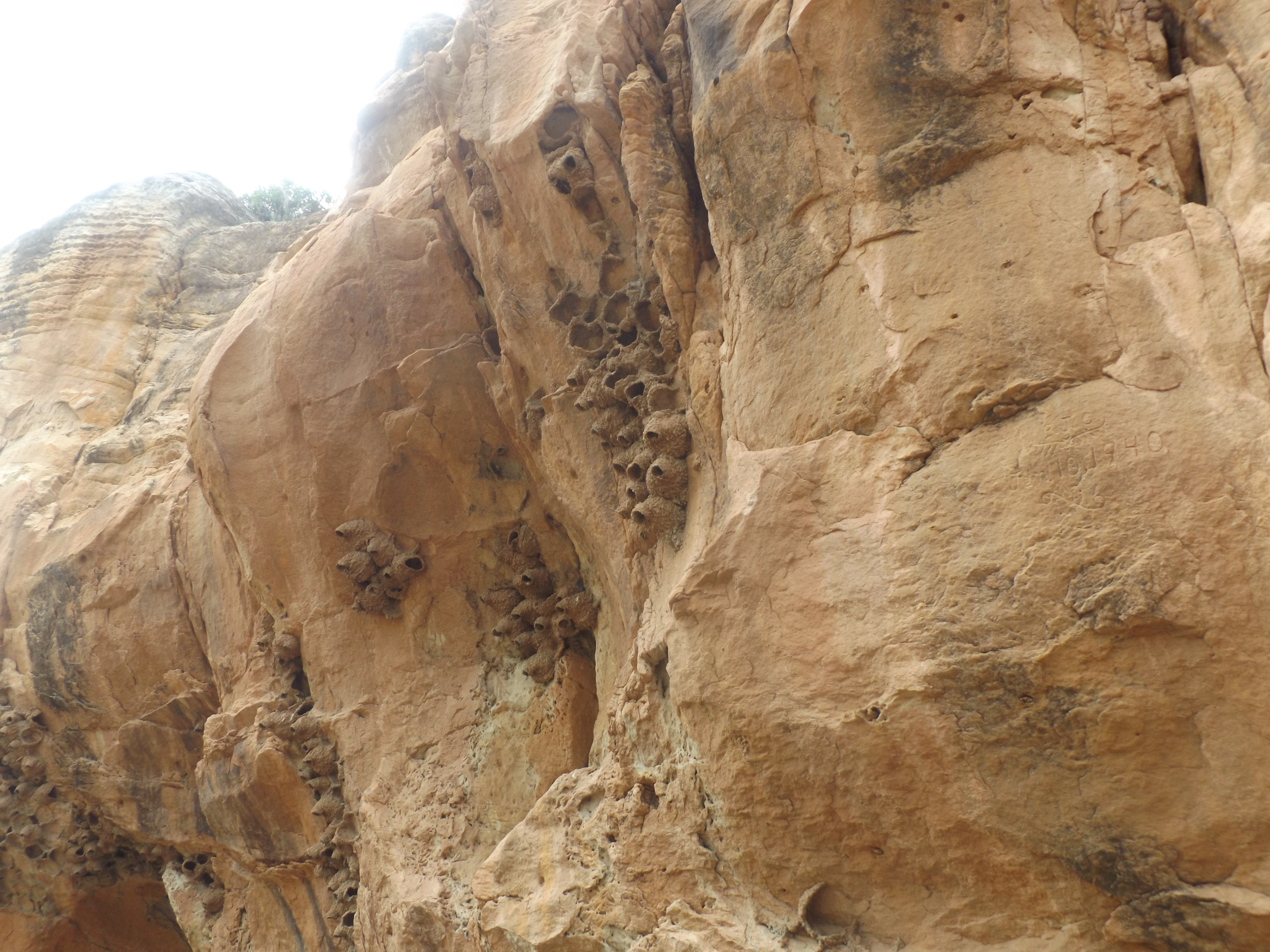
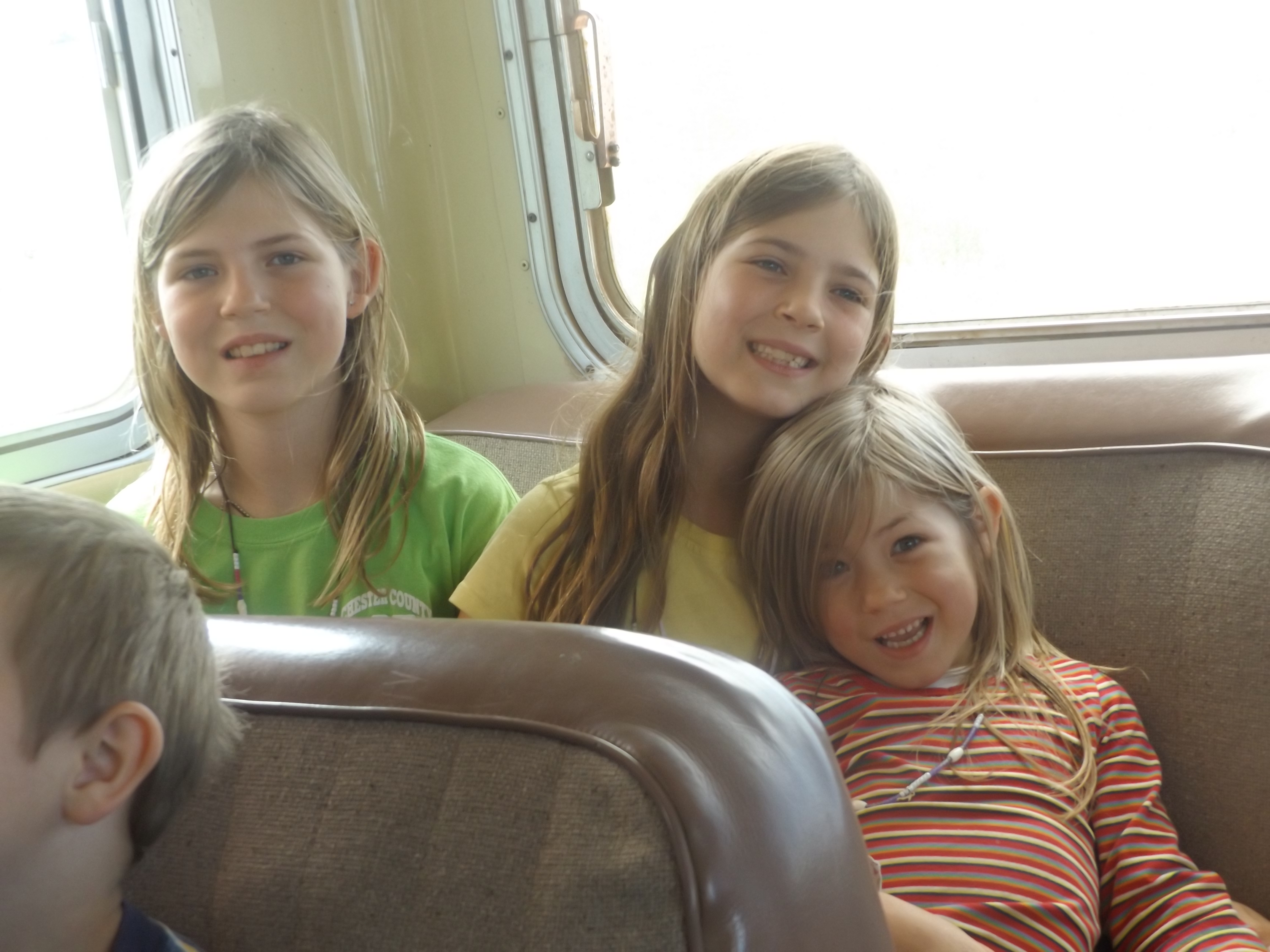
My favorite thing at the Wild Mustang Preserve was going on the tour. We stopped and got off the bus in a couple places and were able to pet the horses. I just thought it was cool to see the mustangs there. I’m a little nervous around horses, but I did pet some of the mustangs. Something else that was cool was seeing the petroglyphs. The guide asked us questions about what we thought the carvings were pictures of. One carving kind of looked like a snake, but it also could have been a river.

























 Kidding Around Farm